Melting cities: What record-breaking heat means for the places we live and work.
- admin01
- September 14, 2026
- Sustainability
- Climate Resilience, Eco Architecture, Global Temperatures, Green Building, Sustainable Architecture
- 0 Comments
The New Climate Reality
Traditional building designs are increasingly turning our homes and offices into literal heat traps, pushing air conditioning systems to the brink and driving up carbon emissions. As global temperatures soar and extreme heat waves arrive earlier and last longer, our built environment must evolve beyond energy-intensive cooling.
This dangerous reality is further compounded by the urban heat island effect, where dense infrastructure, asphalt, and concrete absorb solar radiation during the day and re-radiate it at night, preventing temperatures from dropping after sunset. Without structural adaptation, buildings amplify the crisis, causing widespread material degradation, overloading regional power grids, and placing human health at severe risk.
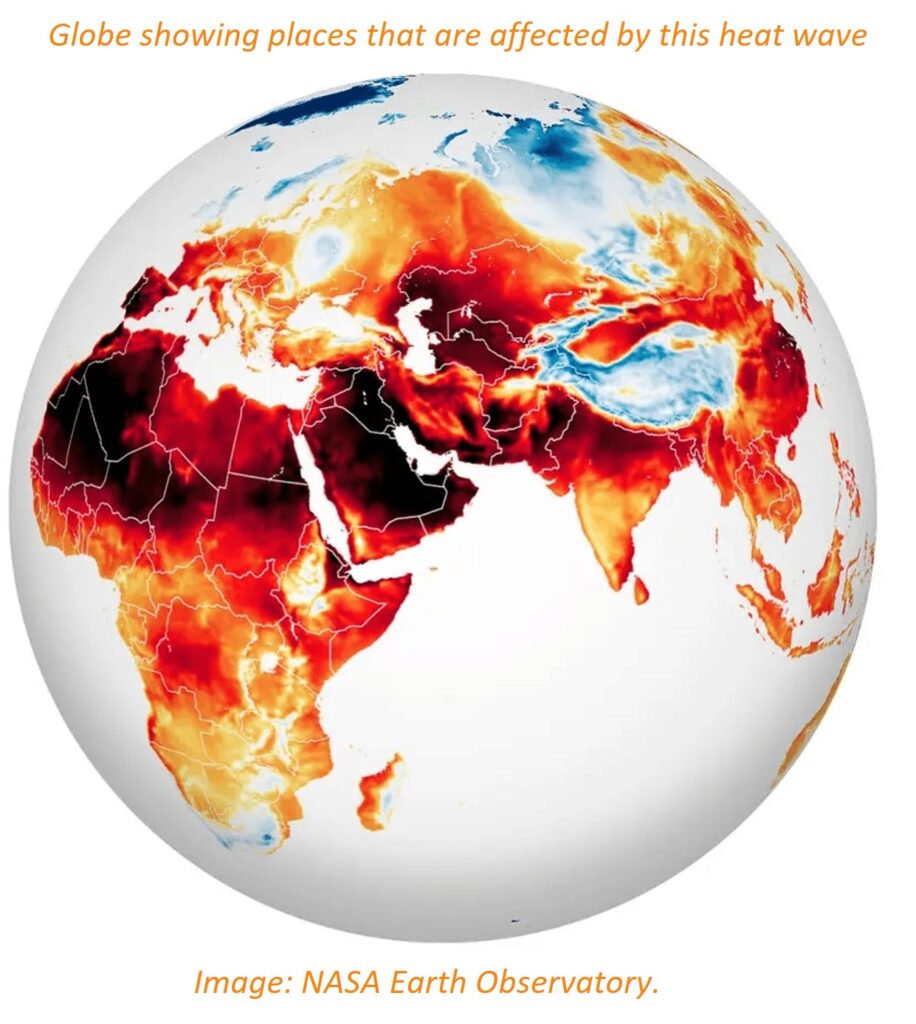
Material Degradation: Extreme thermal stress causes concrete to crack, accelerates building envelope weathering, and weakens structural polymers and metals.
Grid Strain & Failures: Surging air conditioning demand combined with reduced power-line and transformer efficiency triggers rolling blackouts.
Indoor Heat Traps: Buildings without adaptive architecture fail to cool down overnight, turning interiors into hazardous heat sinks.
Infrastructure Buckling: Softened asphalt roadways and warped railway tracks disrupt transportation and urban supply chains.
Critical Tech Vulnerabilities: Server and data center equipment face severe overheating risks that can cause widespread IT failures.
Labor Losses: Extreme heat creates hazardous conditions that halt construction, lower worker safety, and cause massive productivity losses.
How Architecture is Evolving to Deal with Extreme Heat Waves
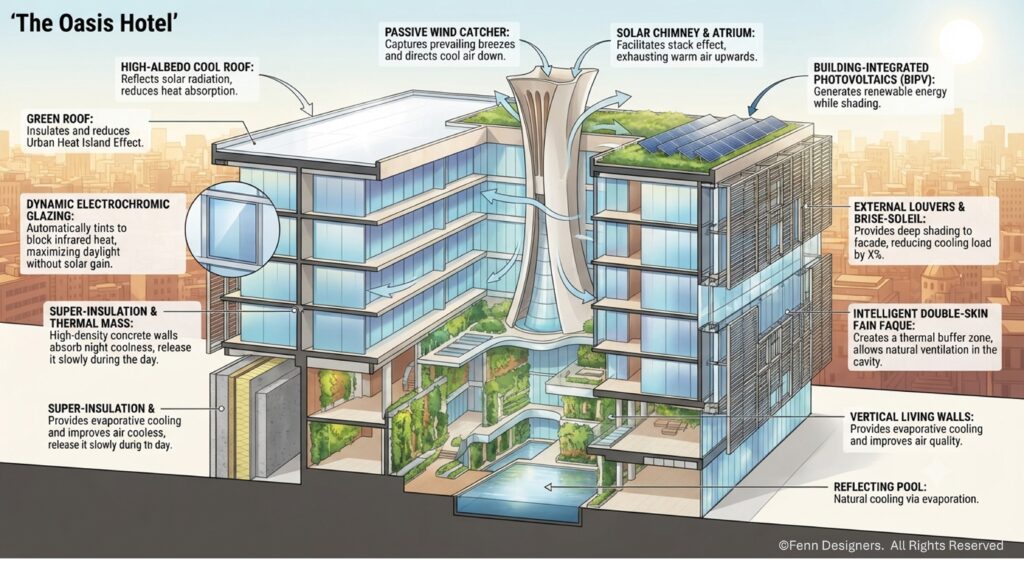
• High-Albedo Cool Roof: Reflects solar radiation to minimize heat absorption.
• Green Roof: Insulates the building and reduces the urban heat island effect.
• Dynamic Electrochromic Glazing: Automatically tints to block infrared heat while maximizing natural light.
• Super-Insulation & Thermal Mass: Uses high-density materials to absorb nighttime coolness and release it slowly during the day.
• Passive Wind Catcher: Captures breezes and forces cool air downward.
• Solar Chimney & Atrium: Uses the stack effect to pull and exhaust warm air upward.
• Building-Integrated Photovoltaics (BIPV): Generates renewable solar energy while shading the roof.
• External Louvers & Brise-Soleil: Shields the facade to drastically cut the cooling load.
• Intelligent Double-Skin Façade: Creates a thermal buffer zone that allows natural cavity ventilation.
• Vertical Living Walls: Enhances air quality and provides natural evaporative cooling.
• Reflecting Pool: Cools surrounding air through natural evaporation.
Core Solutions: Retrofit an existing property
• Upgrade the Roof & Envelope: Install high-albedo cool roof coatings to reflect solar radiation and add green roof sections to insulate structures and counter the urban heat island effect.
• Modernize Windows: Replace standard glass with dynamic electrochromic glazing that automatically tints to block infrared solar heat while preserving natural daylight.
• Optimize Thermal Mass & Insulation: Integrate high-density thermal mass walls and super-insulation to capture nighttime coolness and slowly release it during scorching days.
• Implement Passive Ventilation: Retro-fit architectural cooling features like passive wind catchers and solar chimneys to harness natural airflow and exhaust hot air via the stack effect.
• Add External Shading Elements: Install exterior louvers, brise-soleil systems, or intelligent double-skin facades to create a thermal buffer zone and shield the building exterior from direct sun.
• Integrate Renewable Micro-Generation: Mount building-integrated photovoltaics (BIPV) on roofs or shaded areas to generate clean energy while reducing solar heat gain.
• Deploy Nature-Based Micro-Cooling: Construct vertical living walls and ground-level reflecting pools to drive natural evaporative cooling and improve immediate outdoor-indoor air quality.
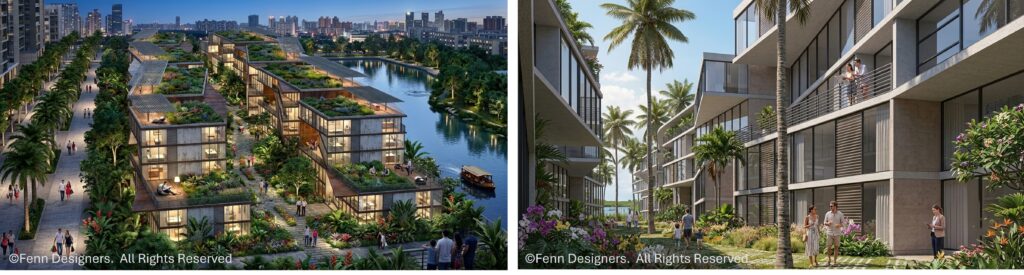
Core Solutions: A New Development
• Climate-Responsive Site Planning & Orientation: Orient the building footprint to minimize direct solar exposure during peak afternoon hours and maximize natural wind paths for cooling airflow.
• High-Performance Thermal Envelope: Design with high-albedo cool roofs to reflect intense solar radiation and integrate super-insulation paired with high-density thermal mass materials to regulate indoor temperatures naturally.
• Dynamic Glazing Integration: Specify smart, electrochromic windows that automatically tint to block infrared heat while maintaining daylighting, eliminating the need for heavy interior blinds.
• Passive Aerodynamics & Ventilation: Engineer architectural elements like central atriums, solar chimneys, and passive wind catchers to exploit the stack effect and drive continuous natural ventilation.
• External Solar Shading Systems: Build deep overhangs, brise-soleils, vertical louvers, or intelligent double-skin facades right into the primary structure to create a continuous thermal buffer zone.
• Clean Energy Micro-Generation: Incorporate building-integratedphotovoltaics (BIPV) across roofs and shaded surfaces to power essential hotel operations using renewable energy while mitigating heat absorption.
• Biophilic & Nature-Based Micro-Cooling: Design vertical living walls, rooftop gardens, and ground-level reflecting pools into the landscape to leverage natural evaporative cooling and lower ambient surrounding temperatures.
Don’t wait for the next heatwave to test your building’s limits.
Related Posts
- admin01
- July 25, 2026
THE GREEN CHOICE Why Renovating an Old Building is the Ultimate Act of Environmental Responsibility
You want to build sustainably. You care about your carbon footprint, resource conservation, and ..
- Sheetal Chailertborisuth
- July 8, 2013
Greening our offices
Every morning when I go to work, I park my car close to my work and walk for a good 8 mins to w ..