THE GREEN CHOICE Why Renovating an Old Building is the Ultimate Act of Environmental Responsibility
- admin01
- July 25, 2026
- Sustainability
- Circular Design, Decarbonization, Eco Architecture, Green Building, Sustainable Architecture, sustainable design
- 0 Comments
You want to build sustainably. You care about your carbon footprint, resource conservation, and the future of our planet. When faced with the choice between constructing a sleek, modern, net-zero building from scratch or taking on a flawed, aging structure, the temptation to start with a blank slate is high.
However, true environmental stewardship often means embracing the messy, complicated reality of an existing building. In the architecture and construction world, the golden rule remains: the greenest building is the one that already exists.
Taking on an older structure despite the difficulties isn’t just a design challenge—it is the most profound environmental commitment you can make. Here is why it matters, the hurdles you will face, and how to champion sustainability through the chaos.
Why Preserving the Past is the Ultimate Eco-Friendly Move
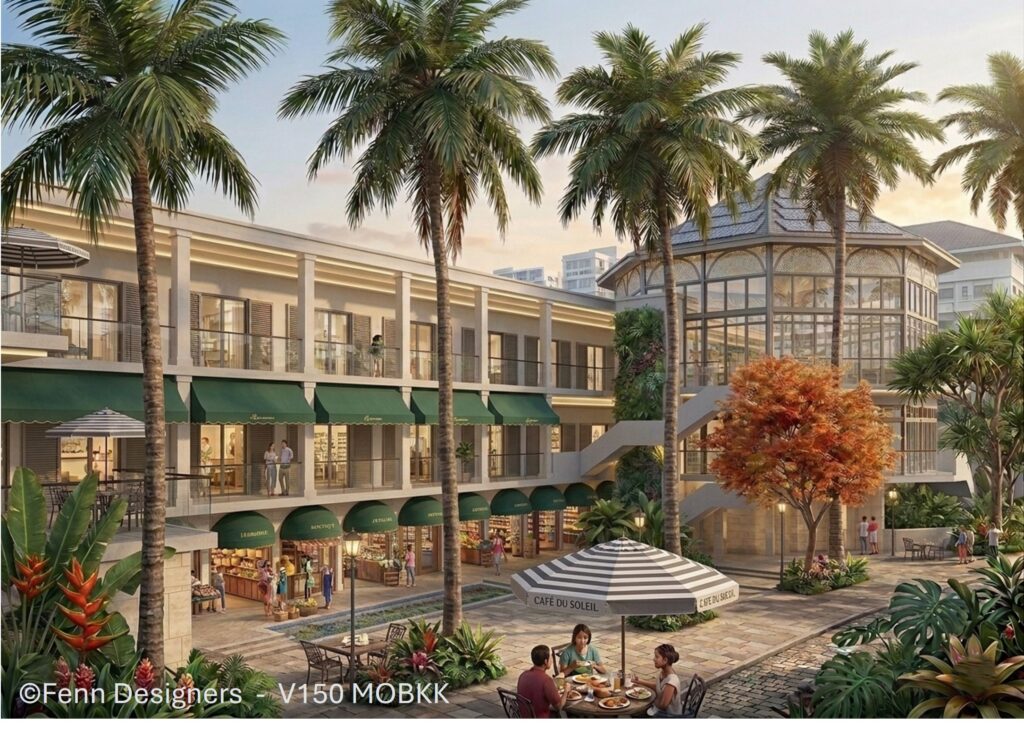
You Avoid the Upfront Carbon Spike: Manufacturing concrete, steel, and glass releases massive amounts of greenhouse gases into the atmosphere before a new building ever opens its doors. By keeping the existing structural shell, foundation, and framing, you bypass this massive upfront carbon debt entirely.
You Keep Tons of Material Out of Landfills: Demolishing a building creates mountains of waste that overwhelm local landfills. Adaptive reuse respects the energy and raw materials already invested in that structure, keeping them in active service.
You Protect Biodiversity and Curb Sprawl: Renovating urban or established infill sites protects undeveloped land, forests, and green spaces from being converted into new construction zones, while leveraging existing municipal infrastructure and public transit.
The Eco-Warrior’s Reality Check: Anticipating the Difficulties
Choosing the sustainable route of renovation means signing up for a few unique headaches. Being mentally prepared for these obstacles keeps your green project on track:
The Hidden Surprises: Old walls hide secrets—outdated wiring, crumbling plaster, asbestos, or lead. Stripping back the layers can uncover environmental hazards that require careful, specialized remediation rather than a quick toss into a dumpster.
Efficiency vs. Architecture: Older buildings were built in a different era with different geometries and ventilation styles. Achieving elite energy-efficiency standards (like passive house or net-zero energy) within an old footprint requires clever engineering and creative compromises.
Strict Regulatory Friction: Modern energy codes and accessibility laws don’t always mesh smoothly with historic or aging layouts. You may have to fight for variances or invest in custom solutions to marry modern green tech with vintage architecture.
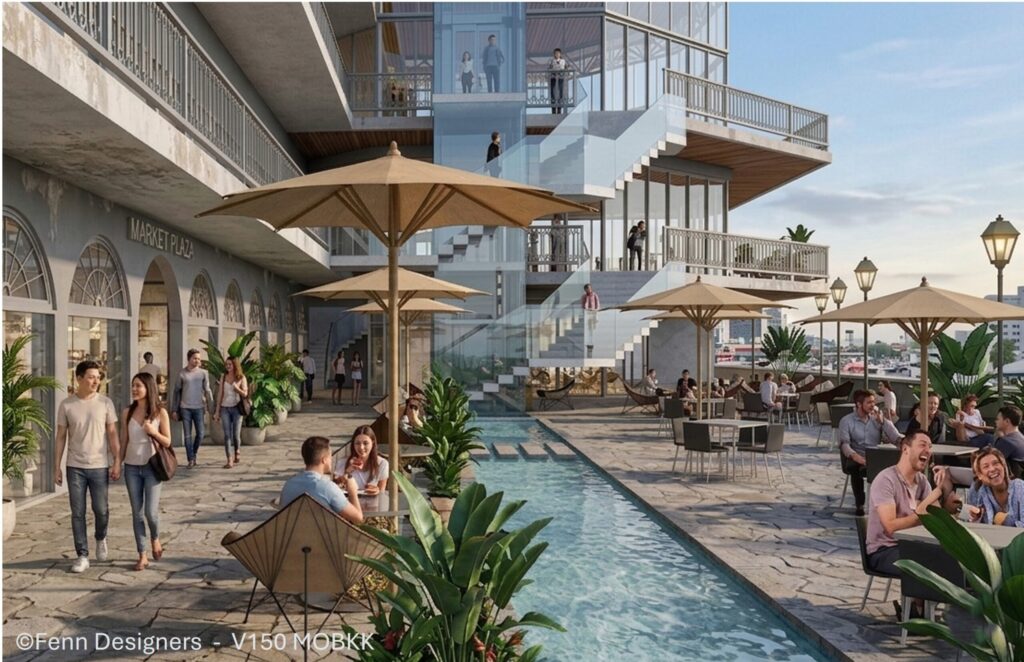
How to Stay True to Your Green Goals During Construction
When the project gets difficult and the contractor uncovers another unexpected hurdle, it is easy to default to conventional, easy fixes. Use this green compass to stay the course:
Prioritize the Envelope, Not Just the Eco-Gadgets: Pouring your budget into flashy solar panels or high-tech HVAC systems won’t matter if your building leaks air. Focus first on deep energy retrofitting—air sealing, high-performance insulation, and window upgrades. A tight, well-insulated thermal envelope does the heavy lifting for sustainability.
Embrace Circular Demolition: If parts of the building must be removed during the reconfiguration, mandate a salvage plan. Salvageable timber, bricks, and fixtures can often be reused on-site or donated to local architectural salvage yards, keeping your project’s lifecycle circular.
Insist on Eco-Friendly Remediation and Finishes: When updating old materials, choose low-VOC paints, non-toxic insulation alternatives, and locally sourced or reclaimed finish materials. Don’t undo your low-carbon structural win by coating the interior in high-impact chemical finishes.
Building Your Dream Eco-Crew
Tackling an old building takes a specialized crew—architects, interior designers, and contractors who actually get a thrill out of adaptive reuse. You want seasoned problem-solvers who know how to outsmart old quirks, navigate tricky green codes, and turn hidden structural surprises into cool design features.
The right team won’t force a vintage soul into a cookie-cutter box; they’ll help you pull off an eco-friendly masterpiece that bridges the best of the past with a bulletproof green future.
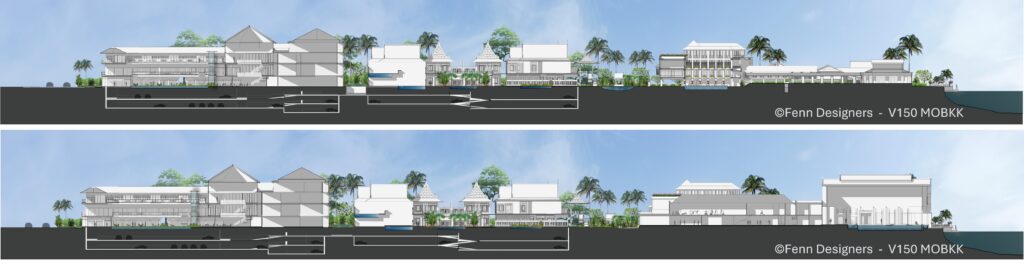
The Bottom Line:
Choosing an old building is an act of environmental courage. It acknowledges that true sustainability isn’t always pristine or easy—it requires patience, problem-solving, and a willingness to respect the history beneath your feet while building a responsible future.
Related Posts
- Lydia Tiasiri
- April 22, 2013
Future finishing
The home is a place that can be made to be perfectly suited for you. Now, with the fast paced t ..
- Lydia Tiasiri
- September 16, 2012
Furniture follows function
WHERE we live will determines HOW we live. Let’s start with an example: we’ve all s ..
Great content! Keep up the good work!
Hello every one, here every person is sharing such knowledge, so it's fastidious to read this website, and I used…